Blackwell Security
Head of Product Design - Seed to Series A
Executive Summary
Blackwell Security was a seed-stage healthcare cybersecurity startup working on a next-generation MSSP platform targeted to healthcare organizations.
As the first design hire, I partnered with Product and Engineering to shape the product foundations, led the UX strategy and design of Blackwell Pulse from concept to launch, and built the design practice.
The core challenge was not just usability, but trust: how do you build user confidence in a system that does most of its work invisibly?
The layered trust architecture I designed helped Blackwell raise a $13M Series A, and the platform remained in active use after acquisition by Ostra Security.
The Trust Problem
Healthcare is the #1 most attacked industry by cybercriminals, so healthcare organizations rely heavily on MSSPs. But trust is difficult to establish by default:
Leap of faith: companies hand over responsibility for something they can't fully observe, to a team they don't yet have a track record with.
Fragmented communication: emails, Slack, Jira, phone calls, spreadsheets. No single source of truth.
Blackwell had none of the relationship capital incumbents benefit from, and an additional complication: humans get credibility slack that automated systems don't. You can call a human analyst to challenge a classification. You can't do that with a pipeline.
The Layers
The First Layer: Baseline Visibility
Before showing customers what was differentiated, we had to show them what was expected: asset inventory, vulnerability landscape. Fluency in the existing mental model is itself a trust signal in a market dominated by incumbents.
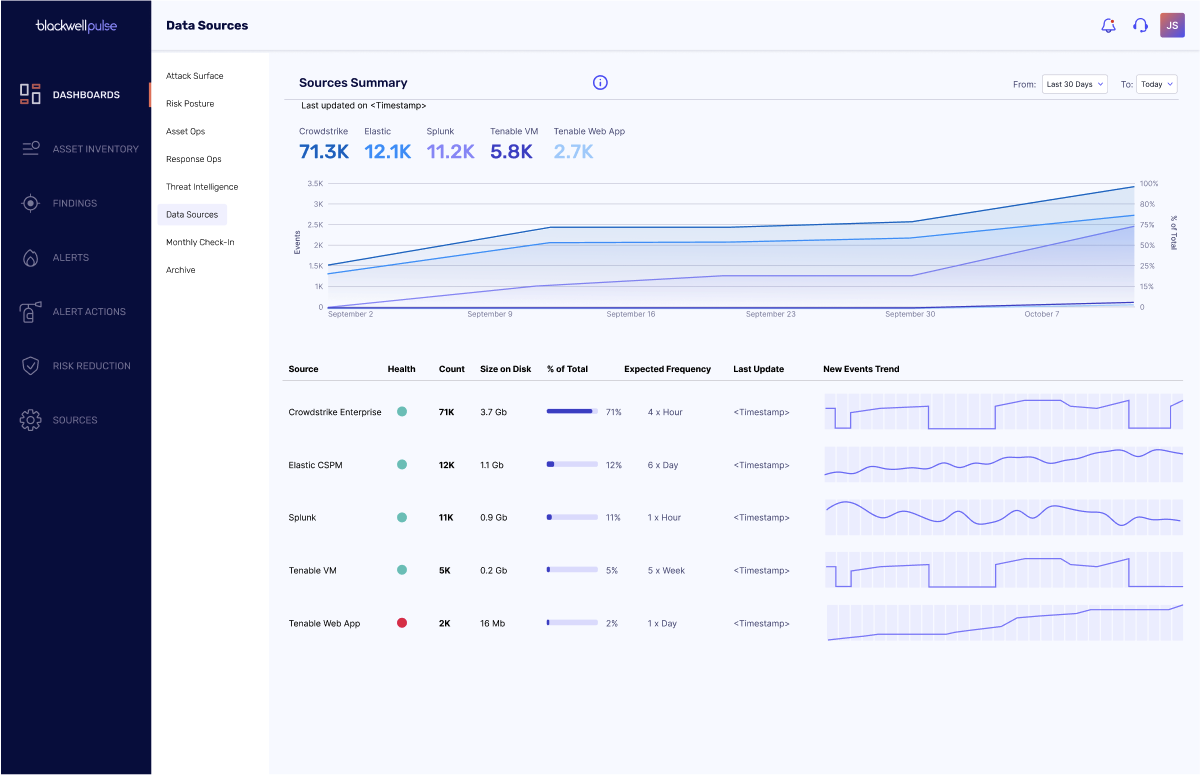
Data Sources Panel
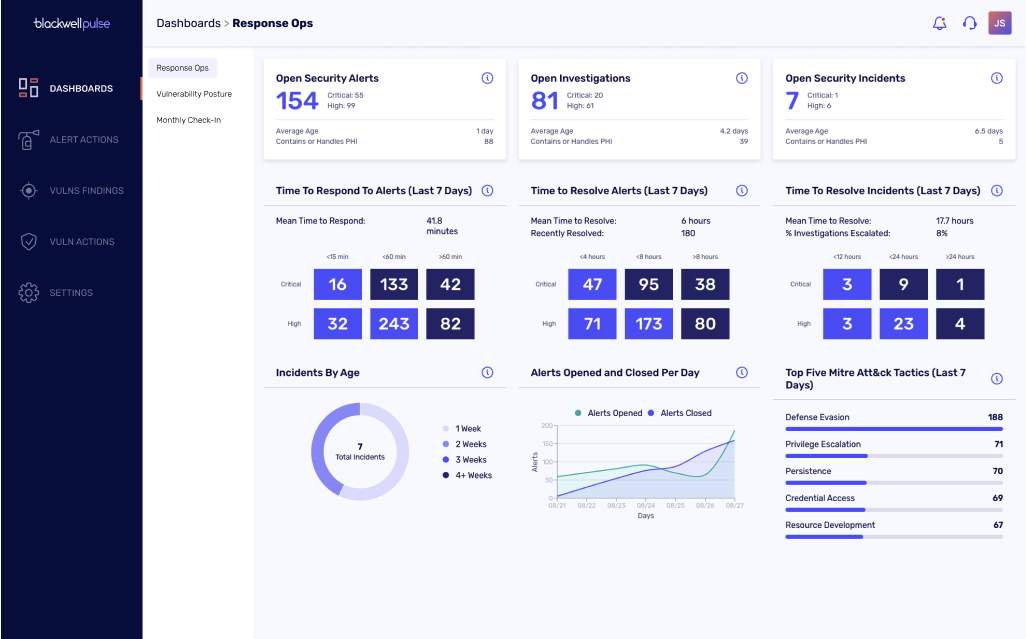
Response Ops Dashboard
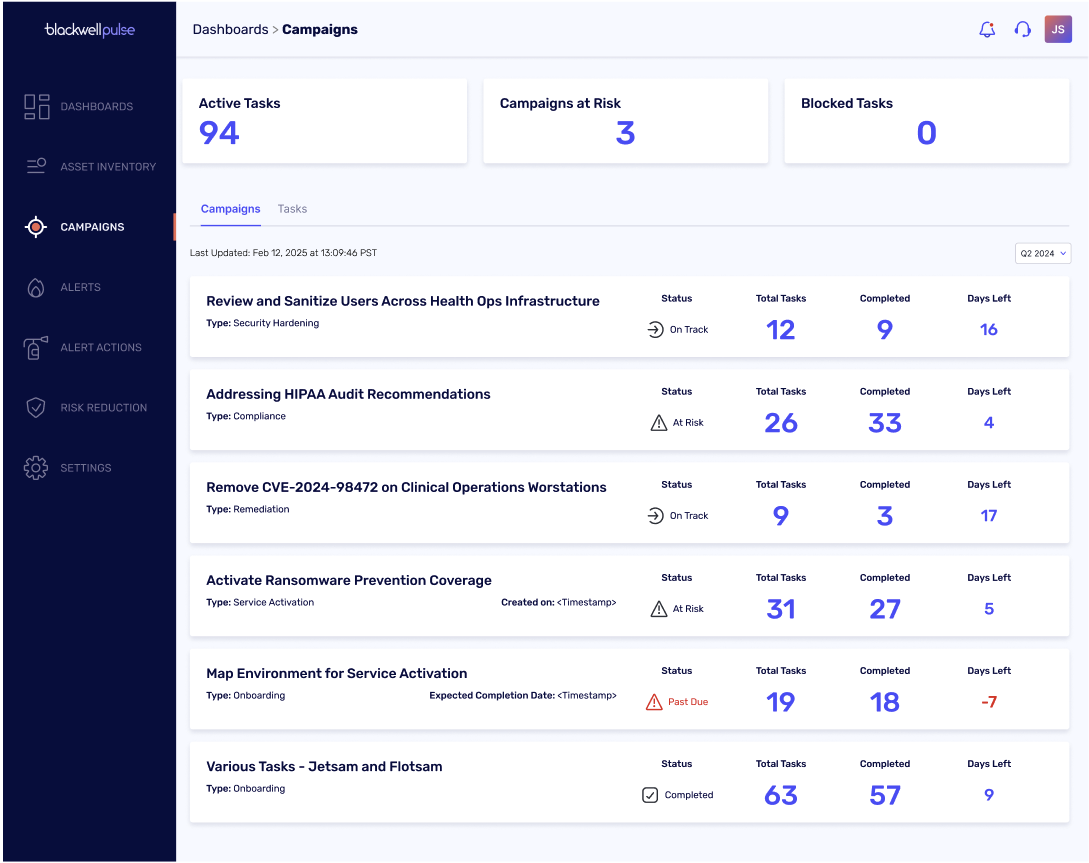
Remediation Campaign Tracker
The second layer: Making background work visible
Once the trust in baseline visibility was established, the next challenge was assurance that work was happening even when the customer wasn't looking. Blackwell tracked a wide array of security issues, categorized under a broad definition of Alerts for scalability, which were detected, triaged, and resolved before the customer knew anything was wrong. The challenge was making that invisible work legible without overwhelming the user.
SLA-linked alert lifecycle metrics: self-accountability built into the product itself. Key operational metrics (Time to Detect, Time to Triage, Time to Assign, Time to Resolve) were captured in real time and summarized in an automated monthly service report, making contractual commitments visible without requiring the customer to ask.
Drill-down and direct communication: replacing chaotic multi-channel back-and-forth with a single communication layer anchored to each alert's lifecycle.
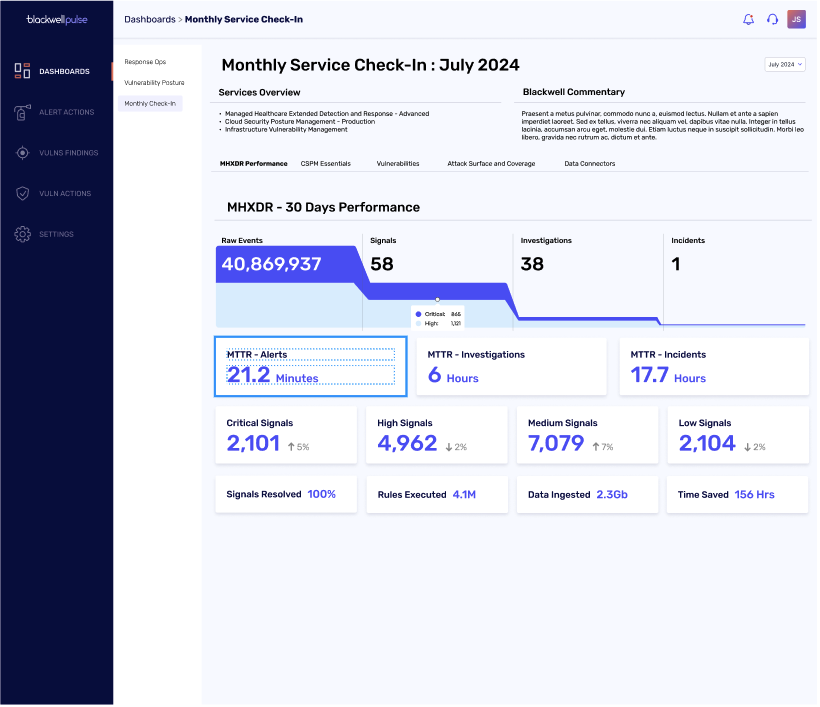
MDR Monthly Service Report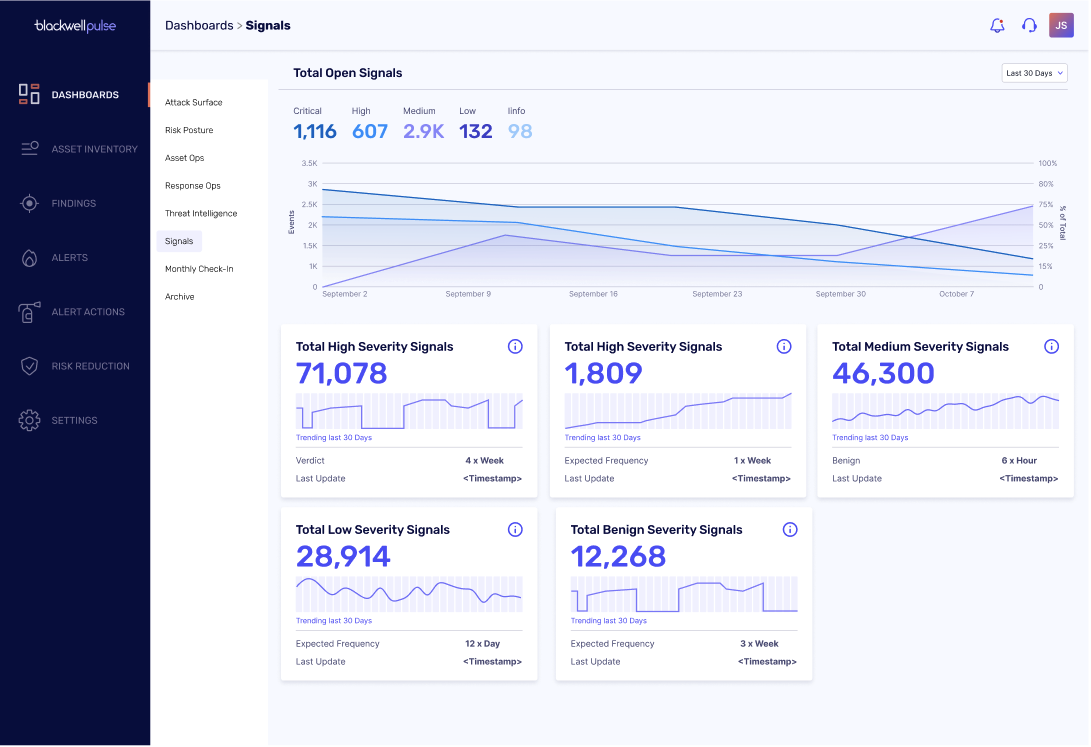
Security Signals Dashboard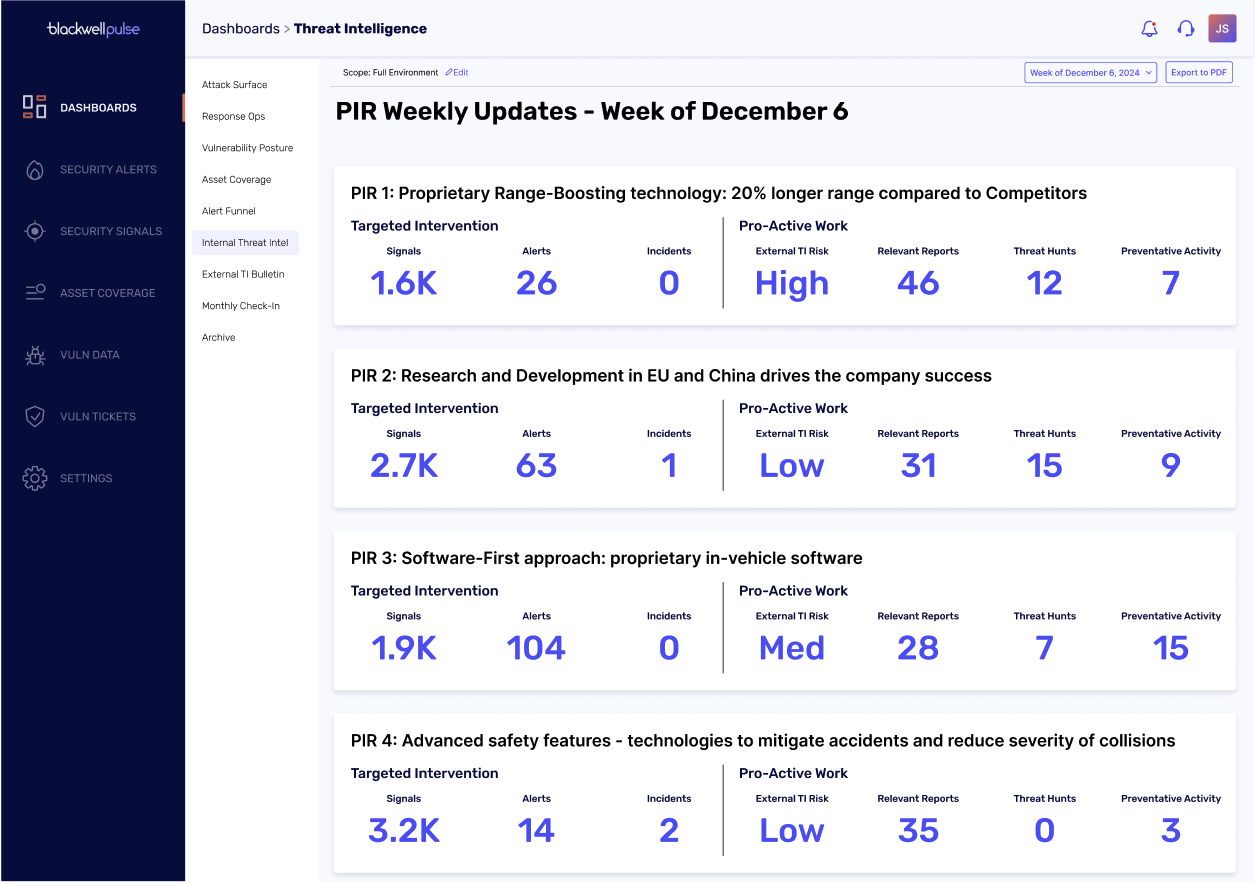
Prioritized Intelligence Requirements ViewThe third layer: Explicit shared accountability
The third layer was designed around healthcare-specific differentiators, using a trust model based on explicit, named accountability:
PIRs (Prioritized Intelligence Requirements): formalized threat intelligence commitments agreed upon with each customer. Healthcare organizations face a relatively predictable threat landscape (known actors, recurring techniques) and PIRs made Blackwell's response to that landscape visible and accountable.
Remediation projects: formalized security work around infrastructure upkeep, which is a particular challenge for healthcare organizations running aging systems. A shared space to track progress explicitly, with ownership and tasks assignable back to the customer when needed.
Together, these features created the impression of a shared team working toward a shared goal (which proved extremely valuable in establishing customer trust in the platform).
from concept to roadmap
The design process was deliberately iterative, focused on getting a workable model on paper fast enough to test against reality.
Team brainstorming: the process started with collaborative sessions with Product and Engineering to align on the core problem, establish shared assumptions, and identify the most important design questions to answer first.
Early concept exploration: rough, exploratory concepts focused on validating the core trust model before committing to detailed design decisions.
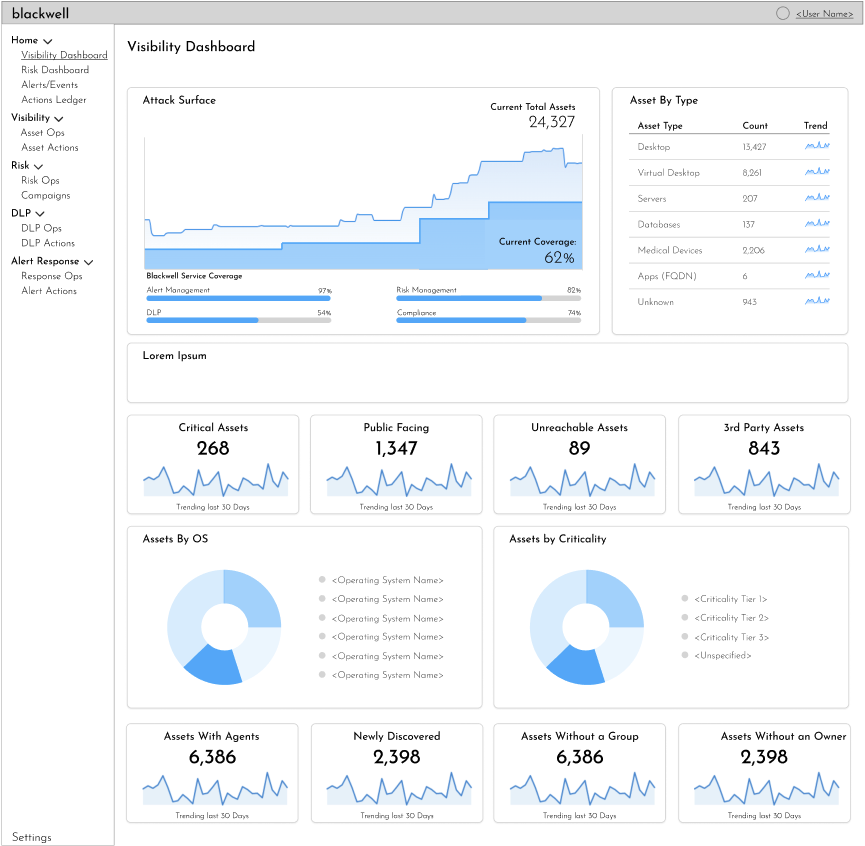
Early Concept - Visibility Dashboard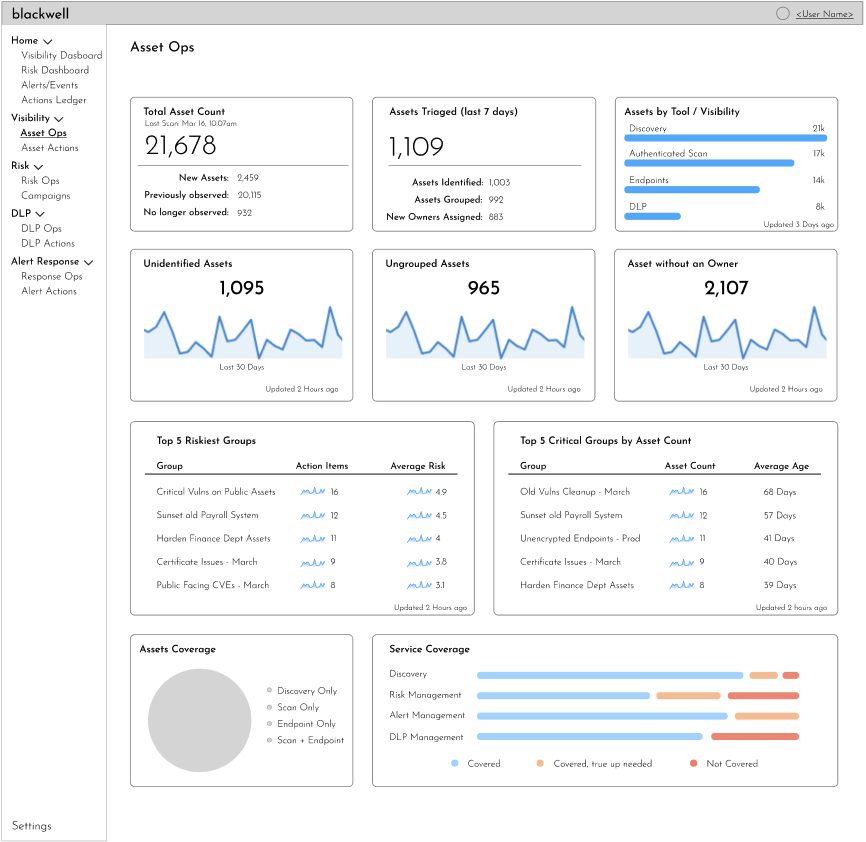
Early Concept - Asset OpsCustomer co-design: a group of prospective customers served as design partners throughout early development. Structured calls walking through concepts provided critical feedback that sharpened the vision and stress-tested assumptions before they hardened into decisions.
Artifact-led vision: the product direction was expressed through design artifacts that defined the experience and provided the foundation for joint roadmap planning with Product and Engineering.
Phased roadmap: phases were prioritized to reach MVP as aggressively as possible, then iterate and expand from there based on user value, customer feedback, and technical feasibility.
Component library: a design system built from scratch to support faster, more consistent product development as the platform grew.
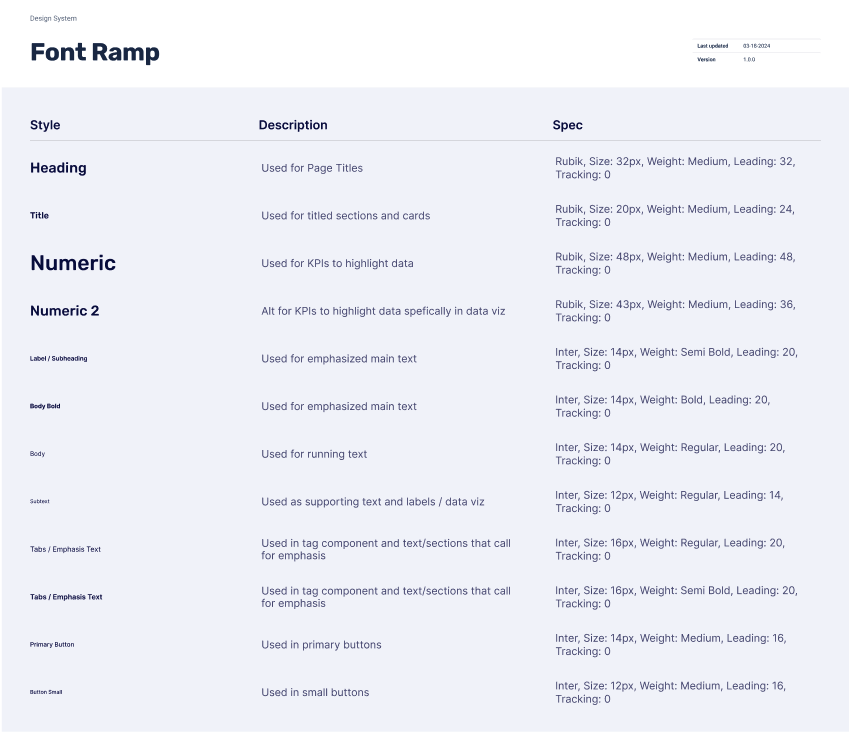
Design System Work
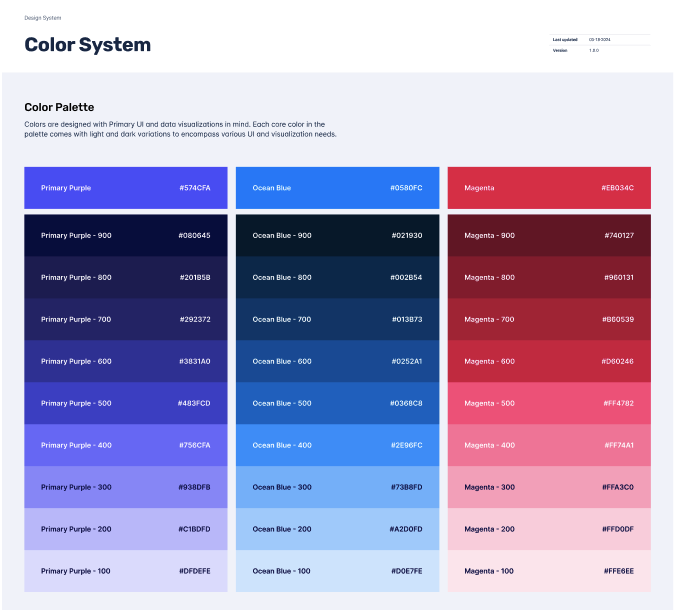
Design System Work
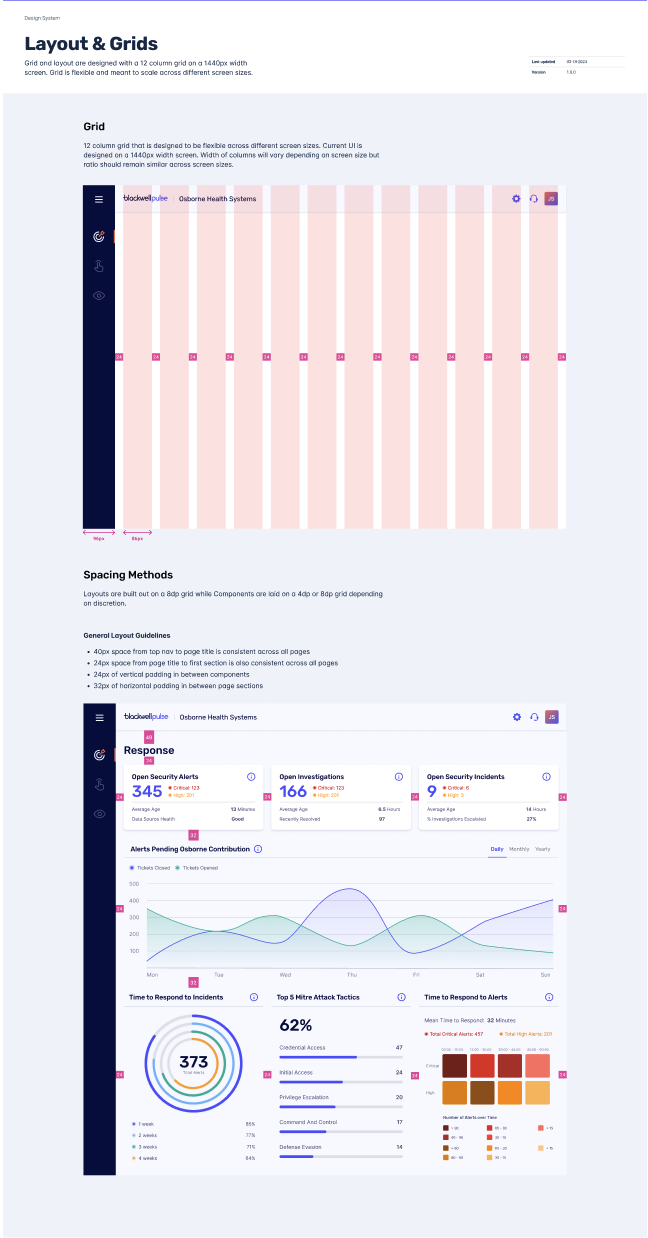
Design System Work
Impact
$13M Series A raised: design artifacts and interactive demos were central to investor presentations, giving the fundraising narrative a concrete, tangible form before the product was fully built.
Customer-facing presentations: as engineering worked through the roadmap, design mocks were used in parallel to present the vision to prospective customers, accelerating commercial conversations ahead of MVP.
Platform still in active use following acquisition by Ostra Security.
Reflection
The design problem at Blackwell is increasingly common: how do you build user confidence in a system with fundamental asymmetries in visibility, expertise, and timing?
The layered architecture we built transfers broadly: to clinical decision support, financial risk platforms, and any product where a hybrid of human judgment, automation, and AI is doing consequential work on a user's behalf.
At Blackwell, these weren't theoretical questions. That's the part of this work I'm most eager to continue.